Please note that the articles provided (by links) are for information purposes
only, they do not reflect the opinion of the administrator of this blog – PG
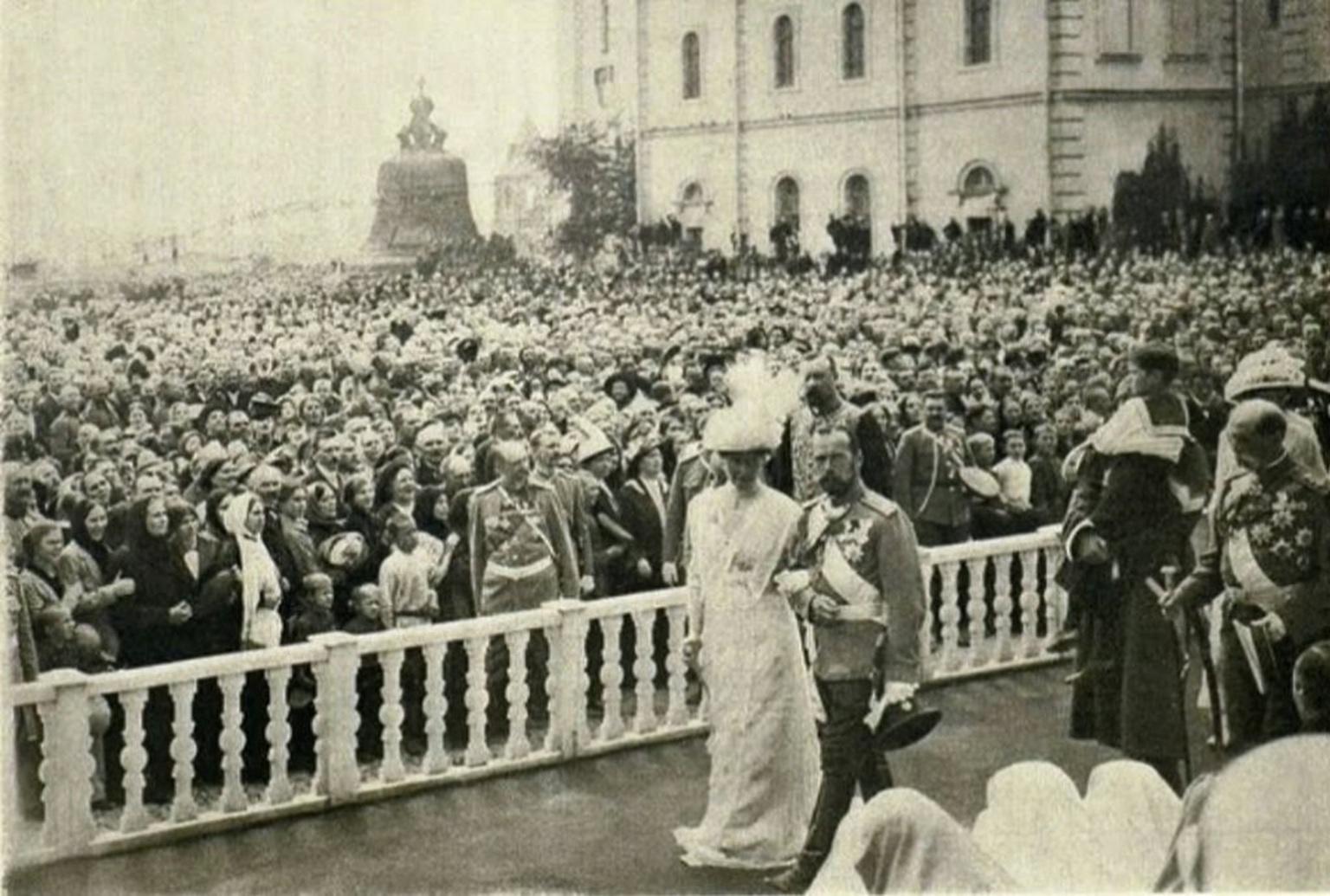
Russia’s last Emperor and Tsar Nicholas II, his family, the Romanov dynasty and the history of Imperial Russia, continue to be the subject of books, exhibitions and documentaries. In addition, he continue to generate headlines in the media.
The following articles were published by English-language media services, in July, August and September 2026. Click on the title [highlighted in red] below and follow the link to read each respective article:
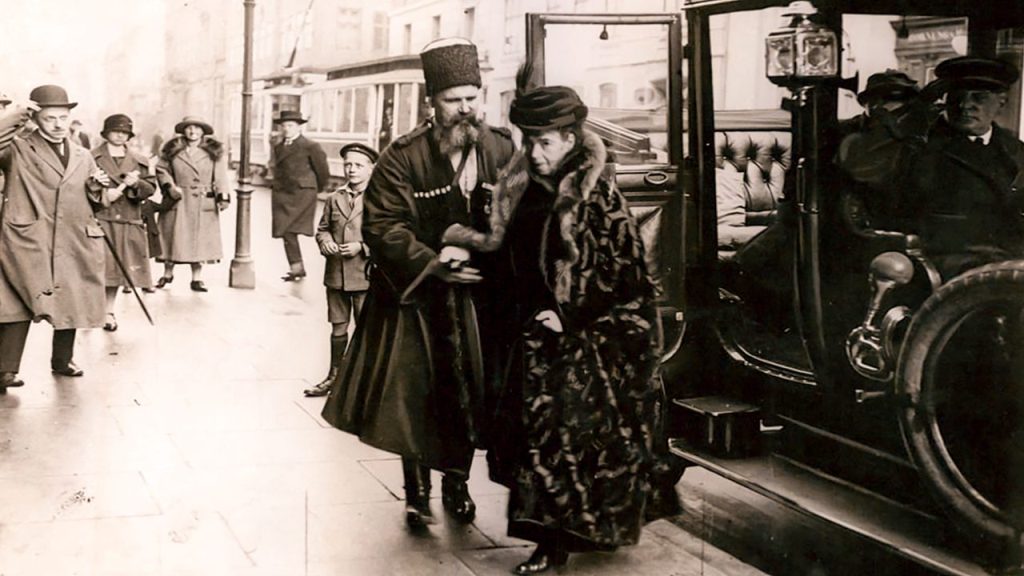
This cossack remained the Russian empress’ bodyguard even after the revolution + PHOTOS
In the passport issued to Cossack Timofey Yashchik in Great Britain, the “occupation” field listed “Bodyguard”. A native of the village of Novominskaya in the Kuban region, he served as the bodyguard to Empress Maria Feodorovna – the mother of the last Russian tsar – and faithfully performed his duty until the very end of her life.
Source: Gateway to Russia. 21 September 2026
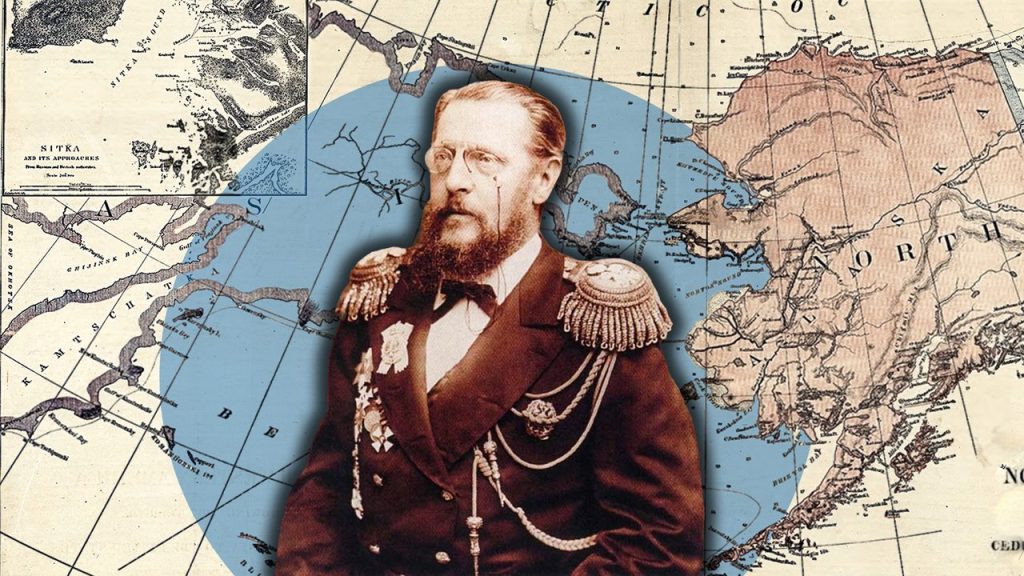
The man who proposed selling Alaska to the U.S.
Many in Russia wanted to get rid of the North American colonies. The downsides of maintaining them had begun to outweigh the benefits. The person who spearheaded the sale of Alaska to the United States was Grand Duke Konstantin Nikolaevich – brother of the reigning emperor Alexander II.
Source: Gateway to Russia. 16 September 2026
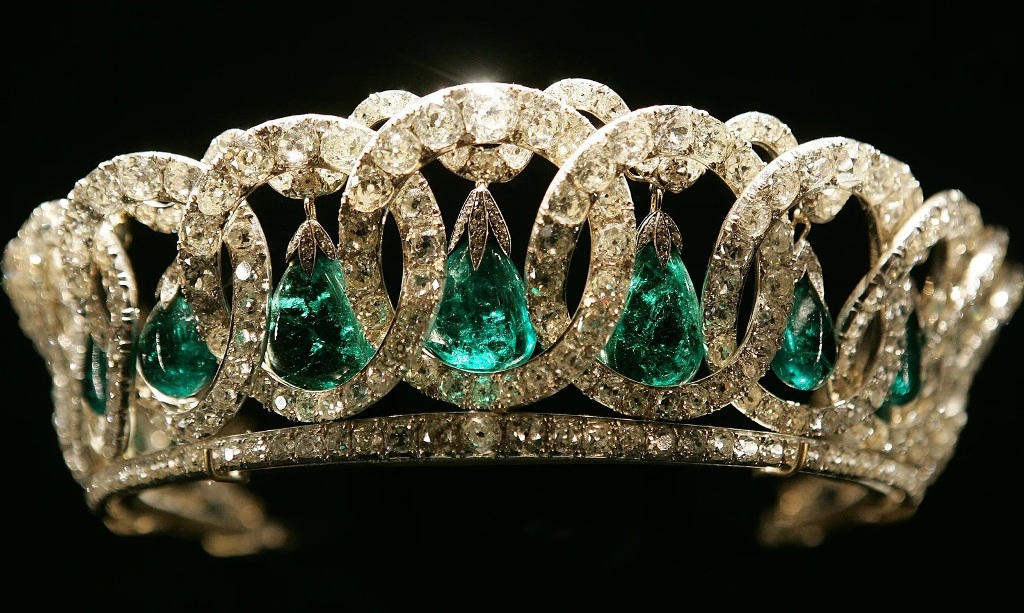
The Mystery of the Missing Romanov Jewels + PHOTOS
The fate of the hidden jewels, which were carefully sewn into the grand duchesses’ garments during imprisonment, haunts both historians and descendants of the Romanov dynasty to this day.
Source: Vanity Fair. 4 September 2026
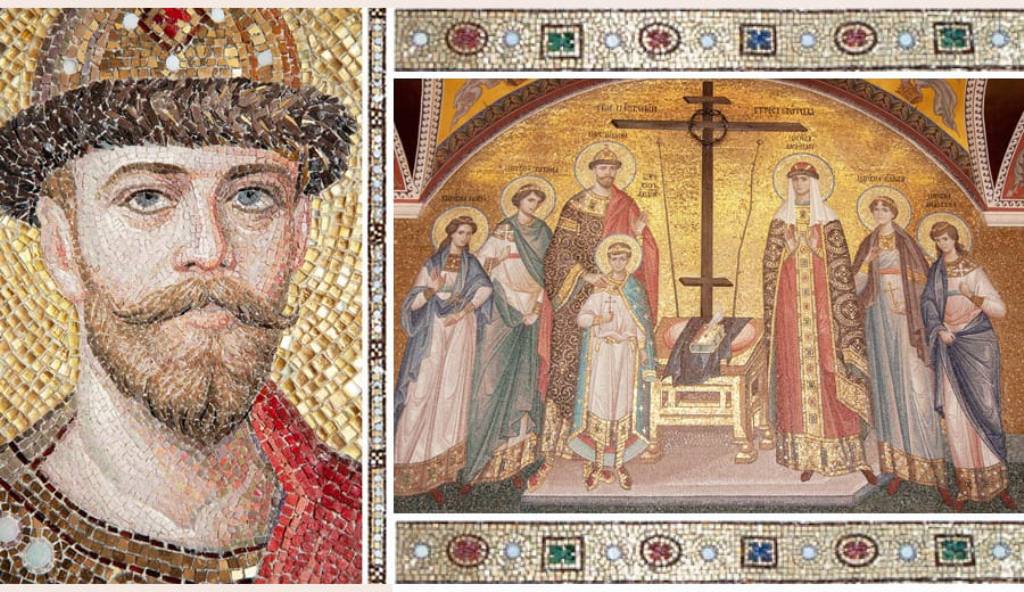
Laying a Mosaic Where the Royal Passion-Bearers Met Martyrdom + PHOTOS and VIDEO
The Church on the Blood in Ekaterinburg was built on the site of the Ipatiev House, where Emperor Nicholas II, his family and four faithful retainers spent the last months of their lives and met martyrdom. Within the church is the Tsar’s Room, also known as the Execution Room, where the altar stands on the very site where the Royal Passion-Bearers were murdered.
On the wall of this room, where the Imperial Family and their attendants were brought on the night of 16/17 July 1918, there is now a mosaic created by the craftsmen of the St. Elizabeth Convent in Minsk, Belarus. It depicts all eleven of the innocent slain, in the arrangement in which they stood at the moment of their martyrdom.
Source: St. Elizabeth Convent (Minsk). 14 July 2026
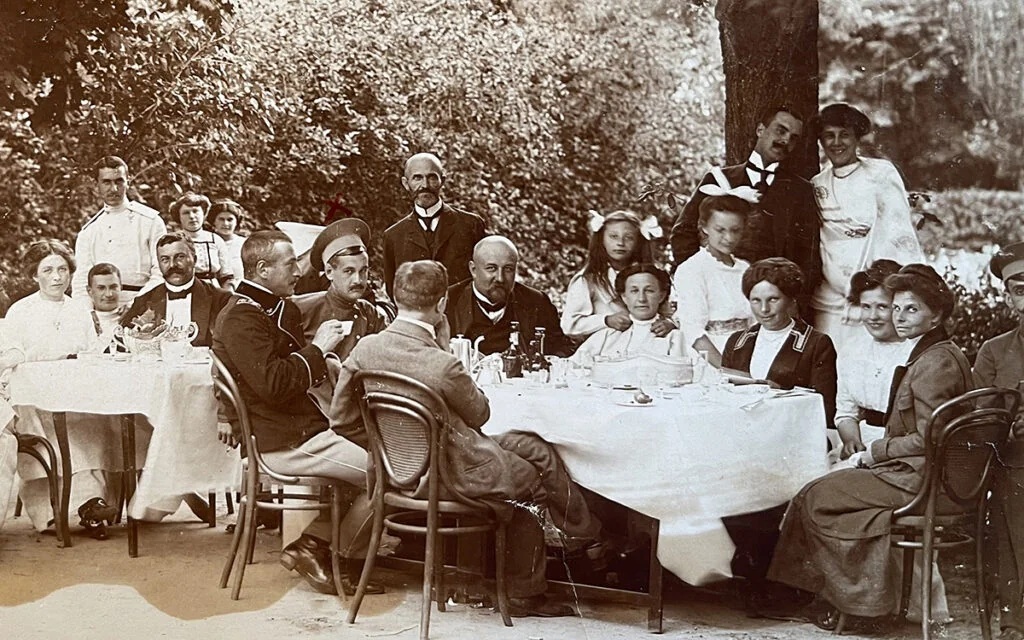
The Russian Aristocracy on Holiday: Summer Life at the Turn of the 20th Century + PHOTOS
How did Russian nobility spend their summers around 1900? For many members of Russia’s aristocracy, summer meant leaving the cities behind and heading for a family estate, a dacha (summer home), or a resort. The change of scenery offered an opportunity to escape the bustle of St. Petersburg and Moscow and enjoy the pleasures of long summer days: horseback riding, boating, tennis, fishing, picnics, swimming, leisurely walks, and long afternoons spent outdoors.
Source: RussiaN History Museum (Jordanville). 11 August 2026
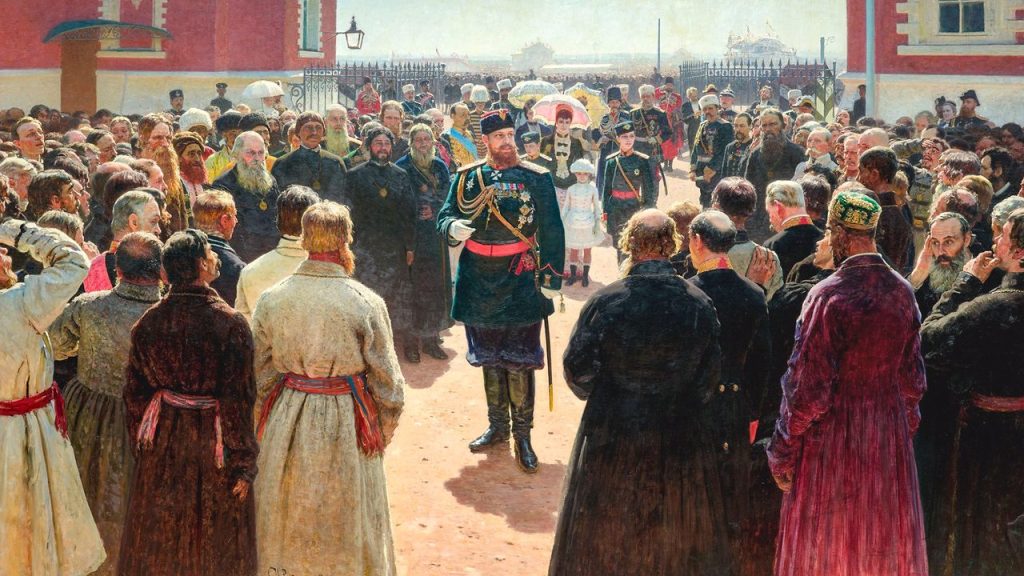
Why is Alexander III called the ‘Peacemaker Tsar’?
All of Europe recognized Him as the ‘Peacemaker’ and, in recent years, has become accustomed to thinking and believing that, as long as Alexander III lives, the peaceful life of the peoples is ensured…”
Source: Gateway to Russia. 6 August 2026
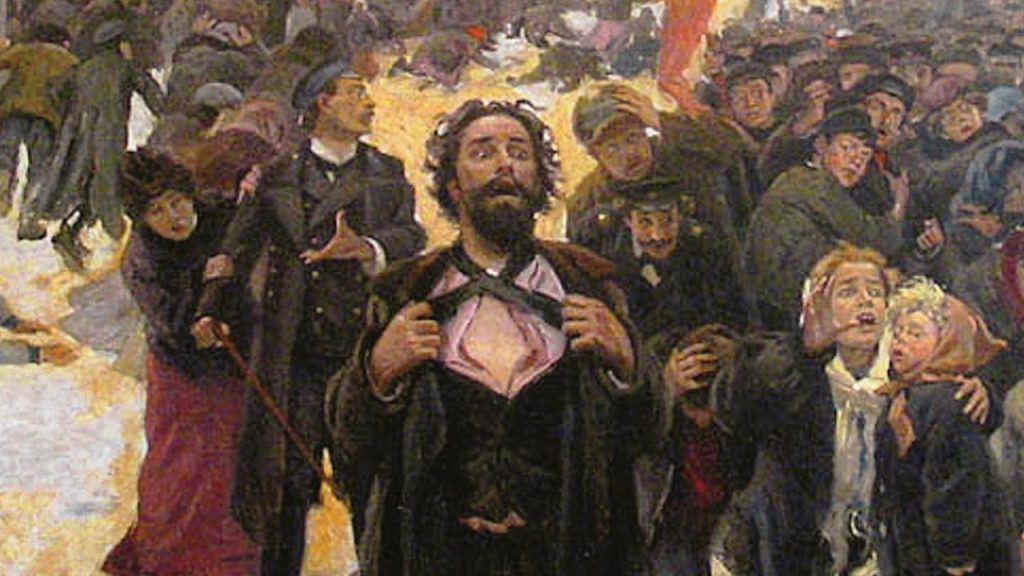
How the Revolution of 1905 SHOOK the Russian Empire + PHOTOS
It raised questions about the very existence of the monarchical system and served as a “dress rehearsal” for the events of 1917.
Source: Gateway to Russia. 30 July 2026
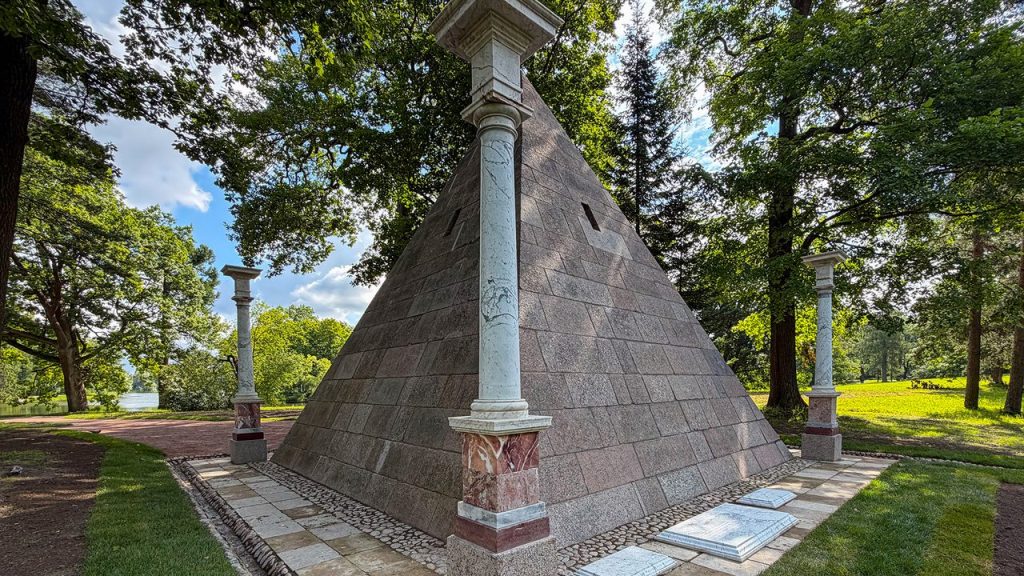
Catherine the Great’s pyramid unveiled in Tsarskoye Selo + PHOTOS
This unusual architectural pavilion was built in the tsarist residence’s ‘Catherine Park’ outside St. Petersburg by order of Catherine the Great herself.
Source: Gateway to Russia. 28 July 2026
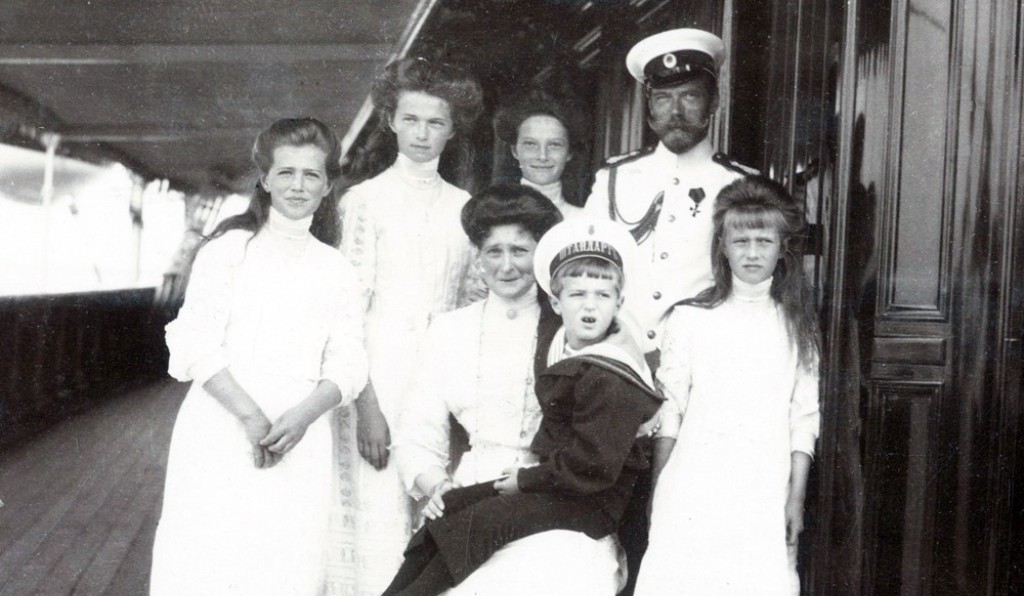
The Romanovs: A Family Portrait + 26 PHOTOS
Before the revolution in Russia, a popular genre was the family portrait. Parents usually sat in the center surrounded by their children, and the photographer took a number of photos. These old photographs reflect a traditional relationship to the home and hearth, and to our close ones as a world of intrinsic value. Some of these photos taken of the Russian Imperial Family have been preserved to our day. In them we can trace the history of love—Nicholas and Alexandra as betrothed, then as husband and wife, and then with their firstborn child. Finally we see them all—as we see them depicted on icons.
Source: Orthodox Christianity. 18 July 2026
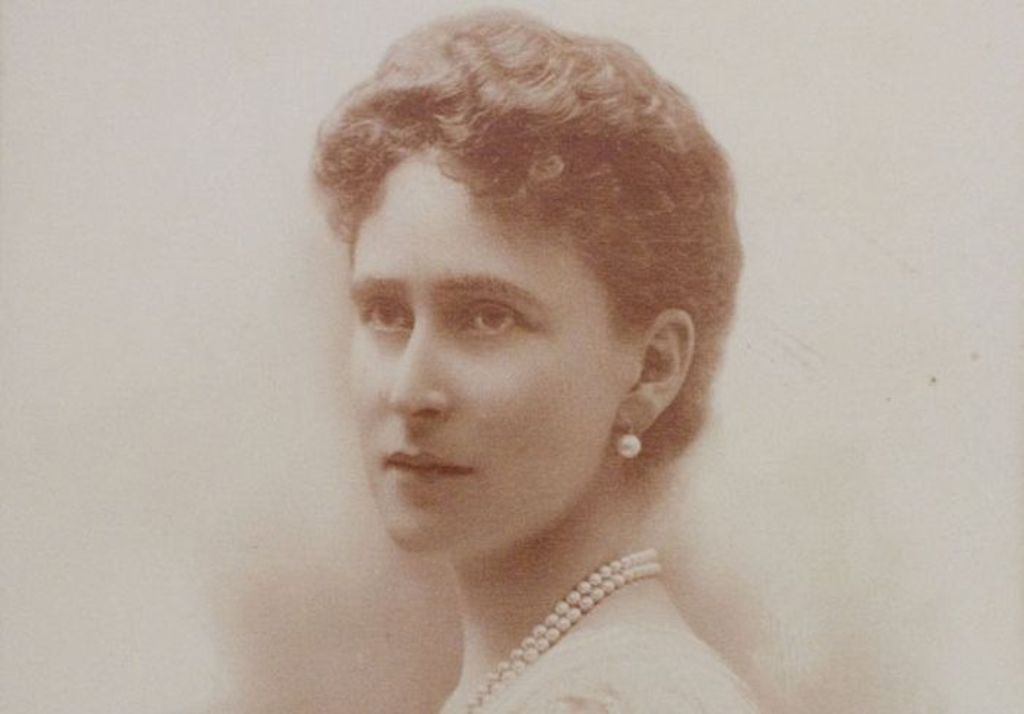
Grand Duchess Elizabeth Feodorovna – “Her Purity Was Absolute” + PHOTOS
July 18th (O.S. 5th) is the feast-day of the holy Grand Duchess Elizabeth Feodorovna, who was martyred for the faith of Christ in 1918. Elena Detinina writes about the life and death of the woman known as “White Angel of Moscow”.
Source: Orthodox Christianity. 18 July 2026
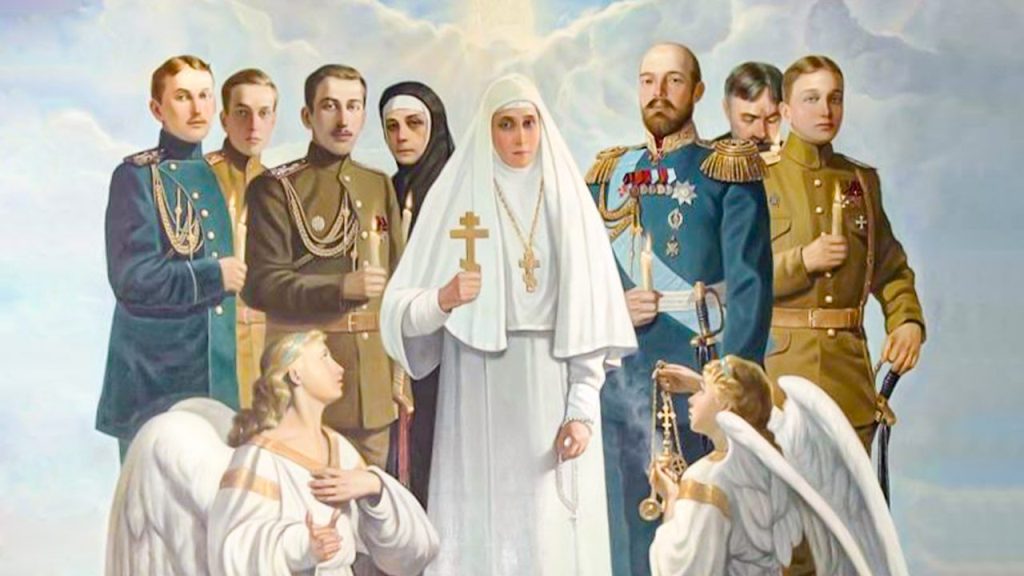
Martyrs of Alapayevsk: How Nicholas II’s relatives were executed + PHOTOS
Everyone knows how the life of the last Russian emperor ended. However, another tragedy is less well known. On 18th July 1918 – six additional members of the Russian Imperial family and two of their servants were murdered by the Bolsheviks at Alapaevsk.
Source: Gateway to Russia. 18 July 2026
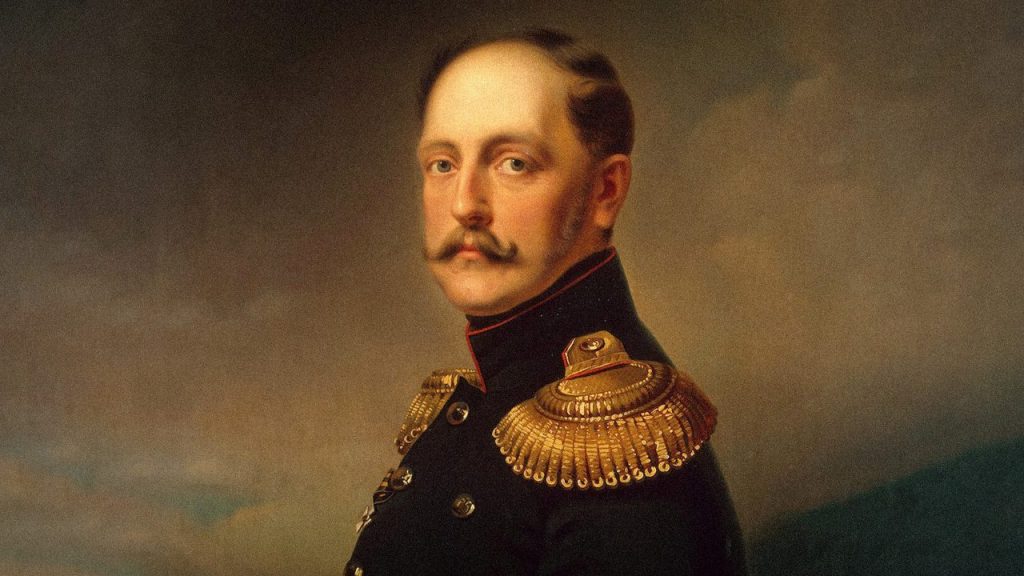
5 facts about Russian Emperor Nicholas I + PHOTOS
He was called the ‘Knight of Autocracy’ and the ‘Gendarme of Europe’. Nicholas ruled for almost 30 years, although he was originally never supposed to occupy the throne.
Source: Gateway to Russia. 8 July 2026
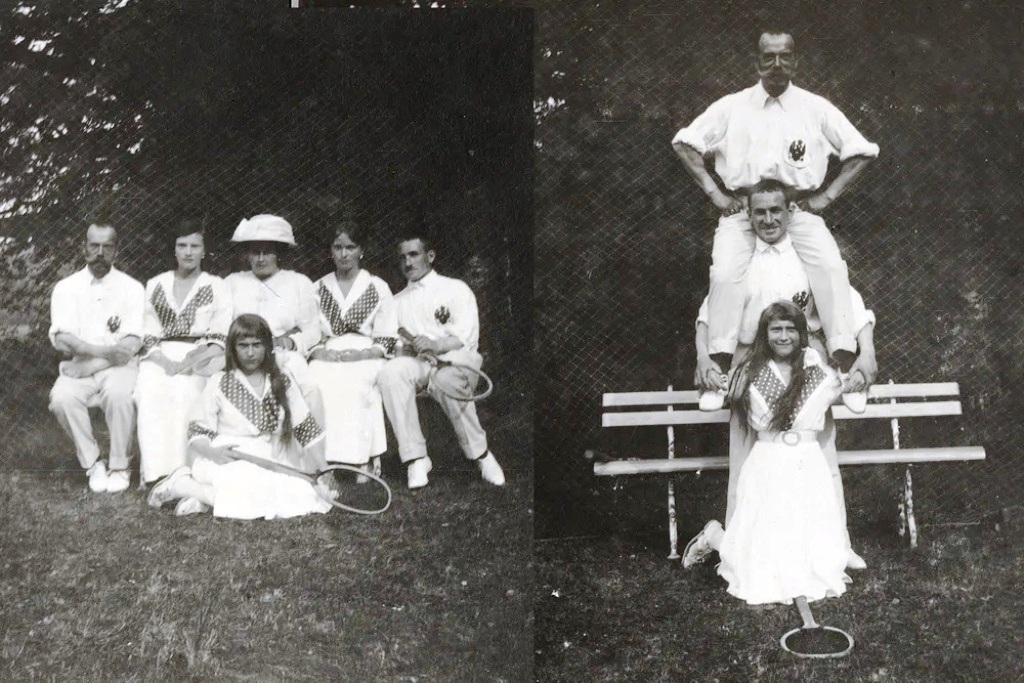
The Bolsheviks executed the last Russian emperor, Nicholas II, and the rest of his family, including his famous daughter Anastasia, 108 years ago. Surviving snapshots open a portal into the royals’ private world.
Source: Smithsonian Magazine. 16 July 2026
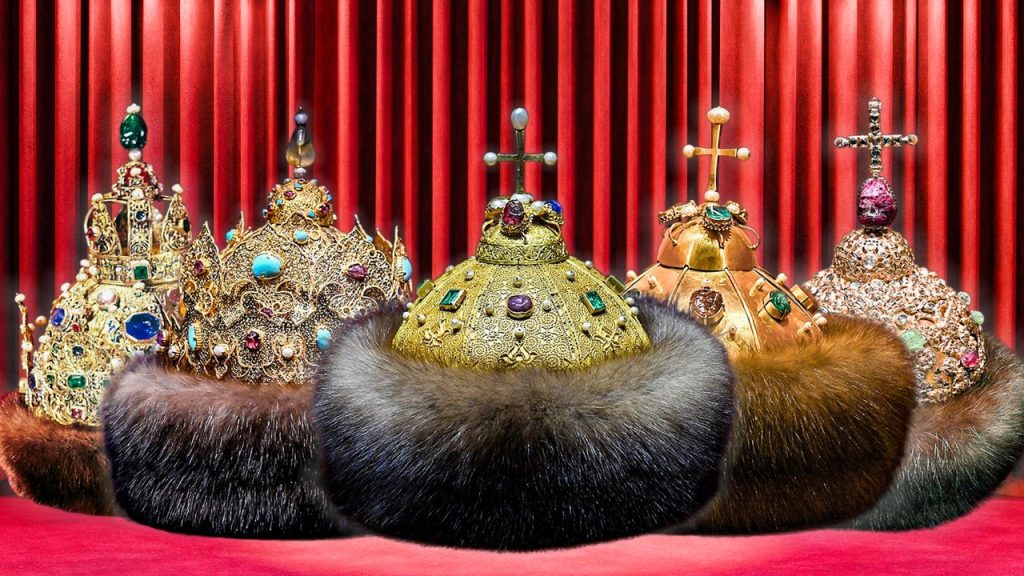
7 caps of Russian tsardom that have survived to this day + PHOTOS
Until the 17th century, it was caps, not crowns, that served as the primary state regalia of Russian tsars. Adorned with precious stones and trimmed with fur, these headpieces are now kept in the Moscow Kremlin Museums.
Source: Gateway to Russia. 5 July 2026
© Paul Gilbert. 30th September 2026


You must be logged in to post a comment.