On this day – Nicholas II and members of his family were handed over to the Ural Soviet

PHOTO: “Transfer of the Romanov family to the Ural Soviet” (1927)
Artist: Vladimir Nikolayevich Pchelin (1869-1941)

On this day – 30th April (O.S. 17th April) 1918, Emperor Nicholas II, Empress Alexandra Feodorovna and Grand Duchess Maria were handed over to the Ural Soviet in Ekaterinburg. It was at this point, that their fate was sealed.

Recall that on 26th (O.S. 13th) April 1918, Emperor Nicholas II, Empress Alexandra Feodorovna, their daughter Grand Duchess Maria Nikolaevna were brought from Tobolsk to Ekaterinburg. They arrived in Ekaterinburg on 30th April 1918, whereupon they were handed over the Ural Soviet.

They were accompanied by five faithful retainers: Dr. Eugene Botkin Botkin, Prince Vasily Dolgorukov, maid Anna Demidova, valet Terenty Chemodurov, sailor Ivan Sednev, all of whom voluntarily accompanied the Imperial Family. The only one who survived the regicide was Chemodurov.

Nicholas II wrote the following in his diary:

“At 8.40 we arrived in Ekaterinburg. We stood for three hours in one station. There was a heated dispute between the local commissars and our own. In the end, the first prevailed and the train was moved to another goods terminal. After standing there for an hour and a half, we got off the train. Yakovlev handed us over to the local regional commissar, with whom we drove by motor through empty streets to the accommodation which has been prepared for us—the Ipatiev house. Slowly our people and our things began to arrive, but they would not let Valia through.

“The home is pleasant and clean. We have been given four large rooms. We were not able to unpack our things for a long time, as the commissar, the commandant and the guards captain had not had time to inspect our trunks. Then the inspection was like a customs search, just as strict, right down to the last capsule in Alix’s travelling medicine kit. This annoyed me so much that I expressed my opinion sharply to the commissar. By 9 o’clock we had at last settled in.

“This is how we installed ourselves: Alix, Maria and I together in the bedroom, sharing the dressing room, Demidova in the dining room, Botkin, Chemodurov and Sednev in the hall. The duty officer’s room is by the entrance. In order to go to the bathroom of W.C., it was necessary to go past the sentry at the door of the duty office. There is a very high wooden pallisade built all around the house, about two sajens from the windows, all along there was a line of sentries, in the little garden also.”

Grand Duchesses Olga, Tatiana, Anastasia and Tsesarevich Alexei joined their parents the following month. They were accompanied by more retainers, including valet Aloysius Trupp, the cook Ivan Kharitonov, Ivan Sednev’s nephew Leonid Sednev and Klimenty Nagorny, among others.

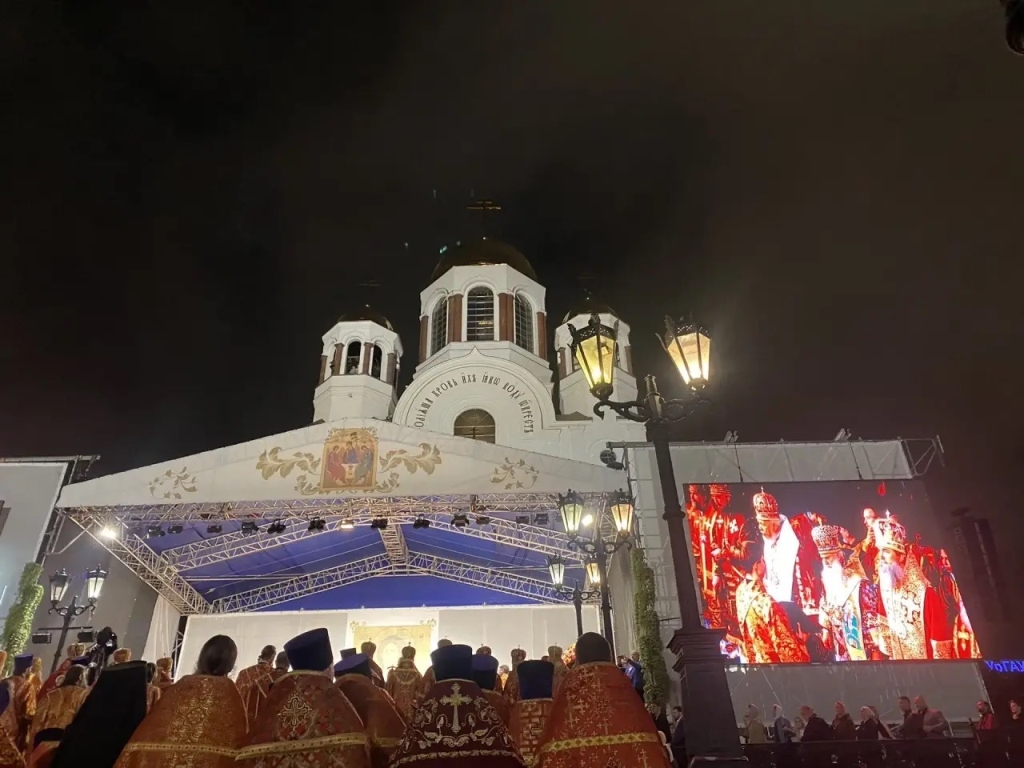
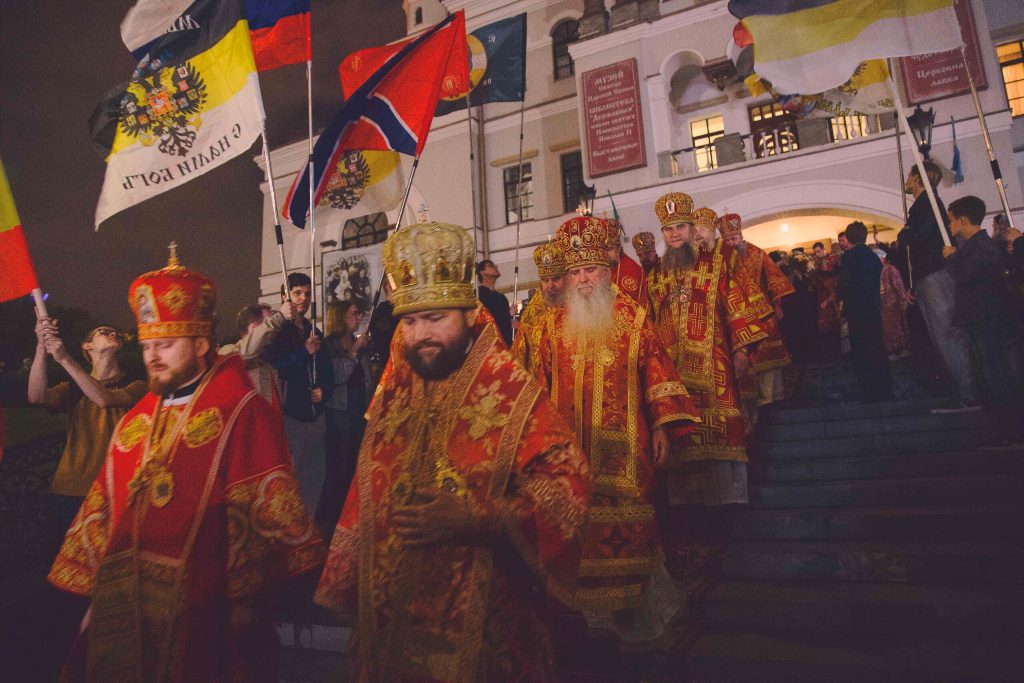
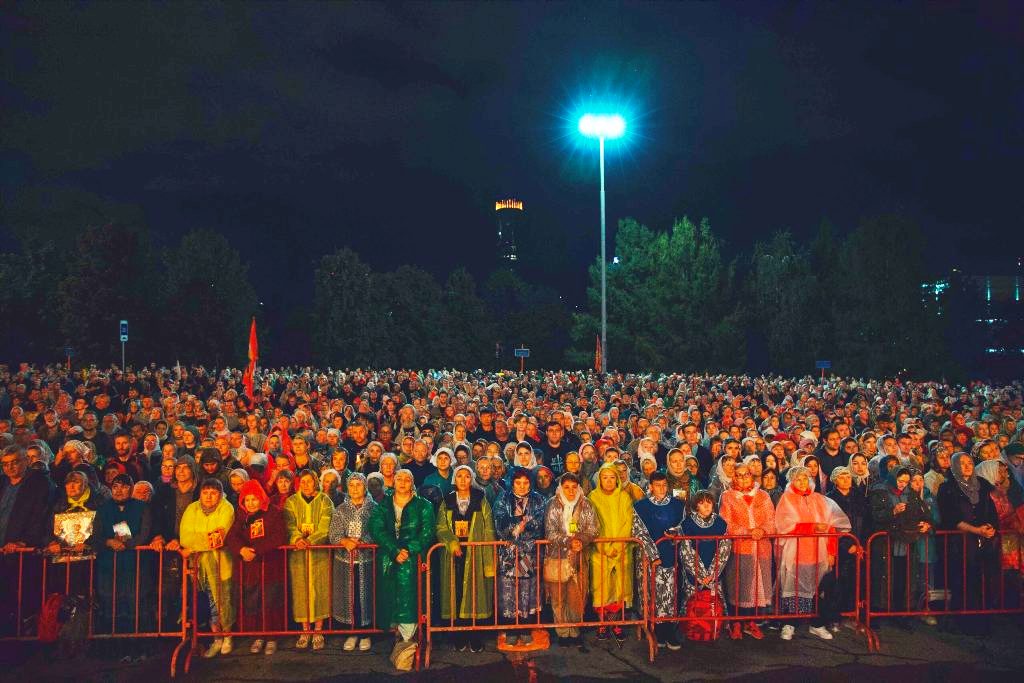
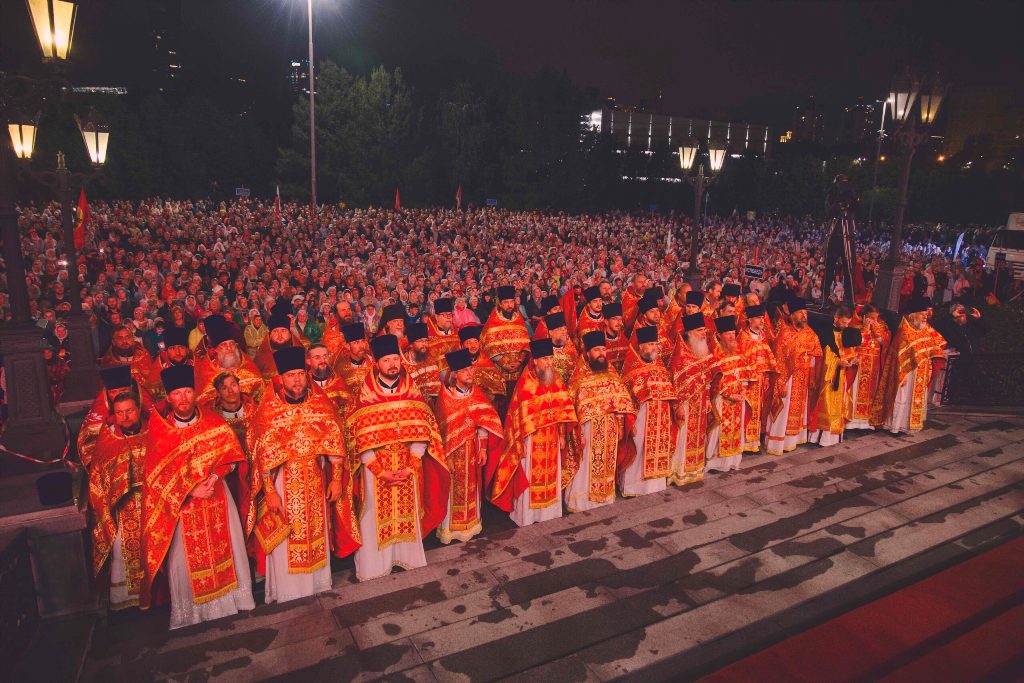
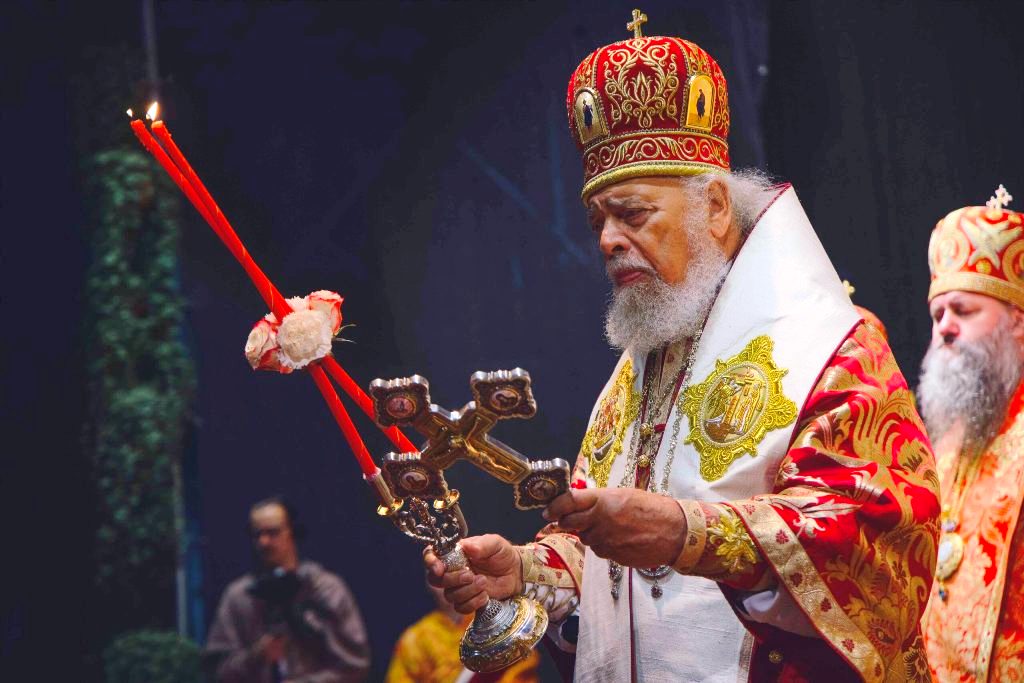
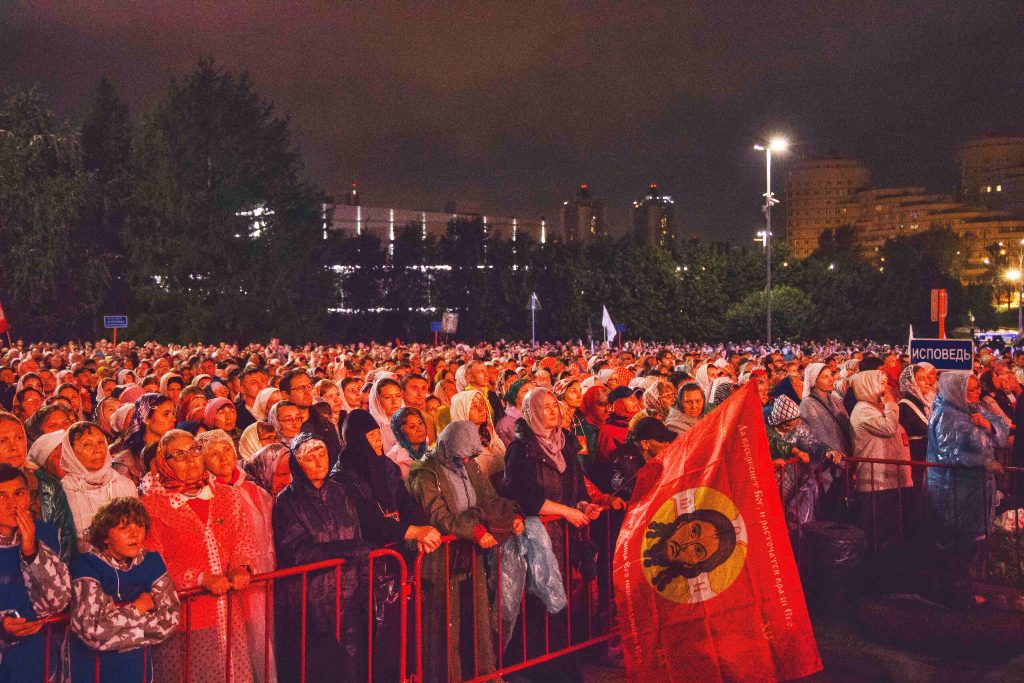
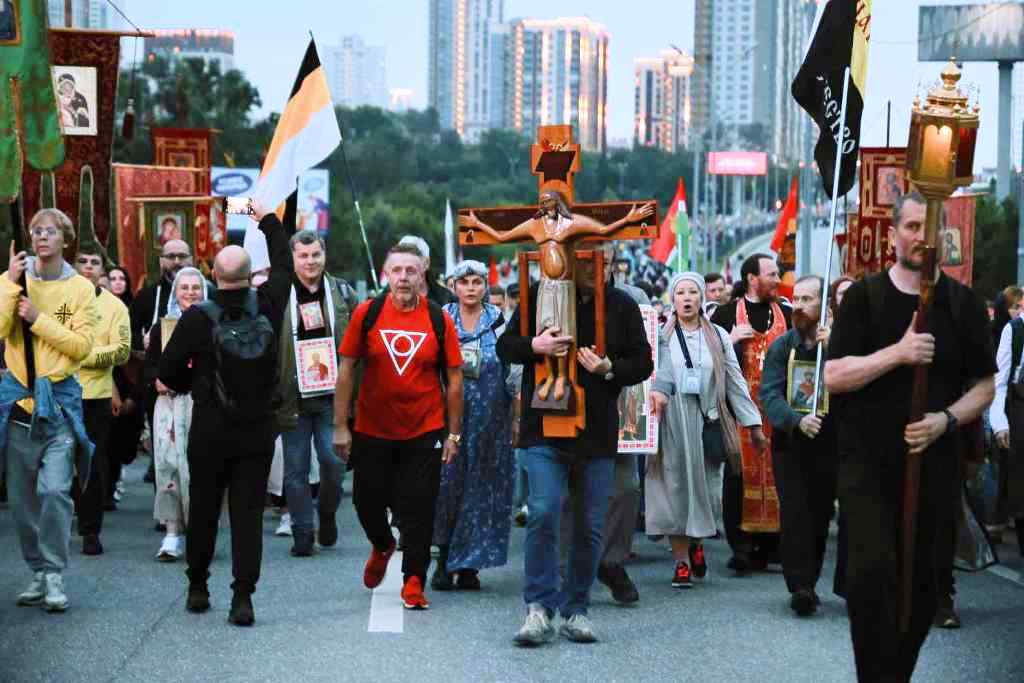
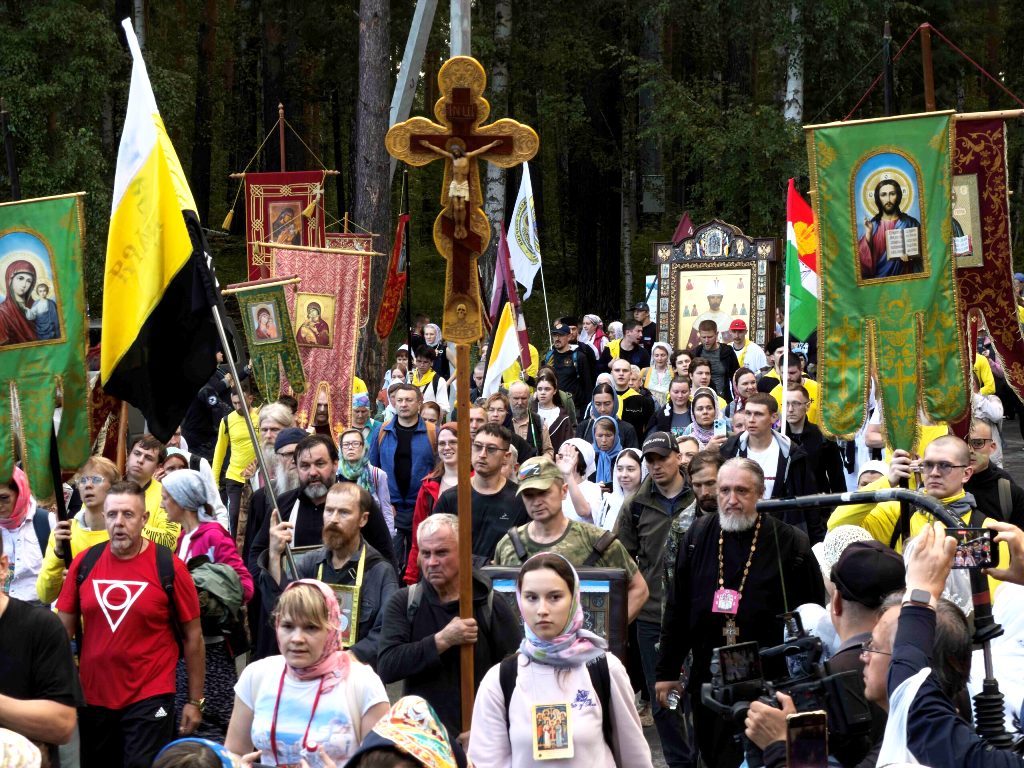
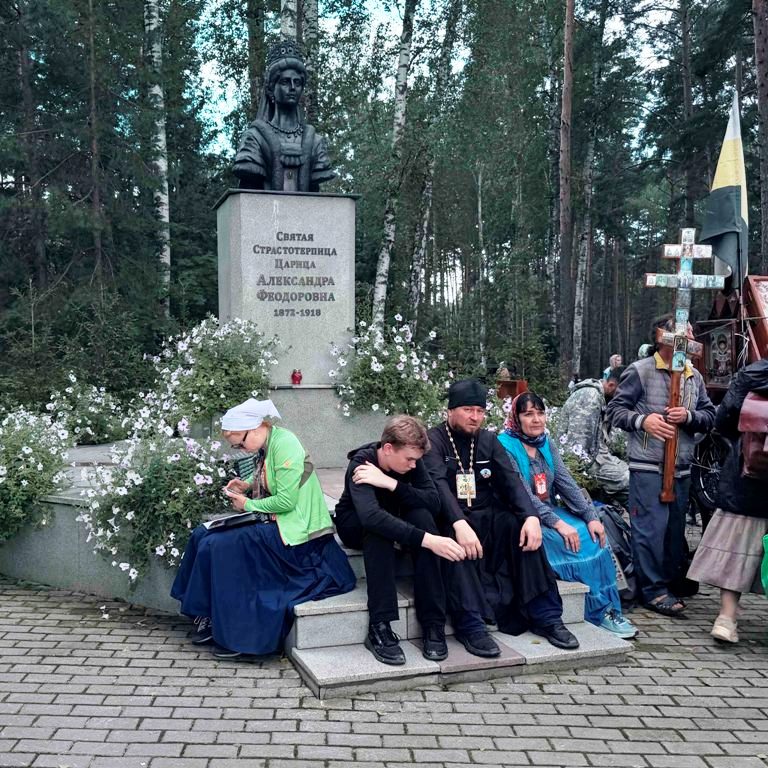
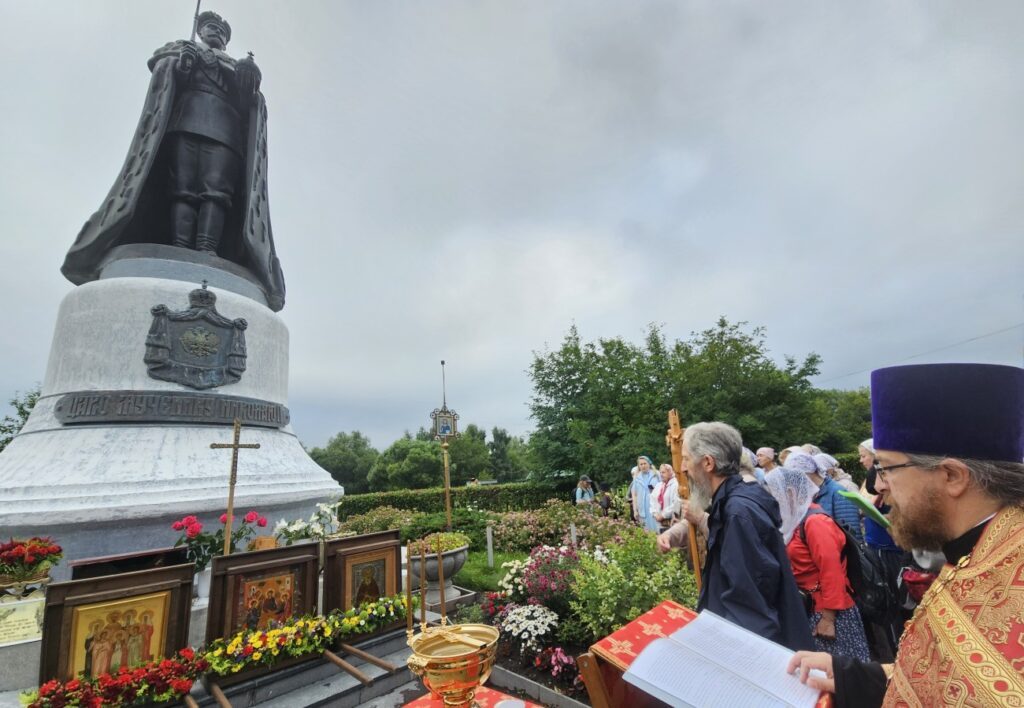
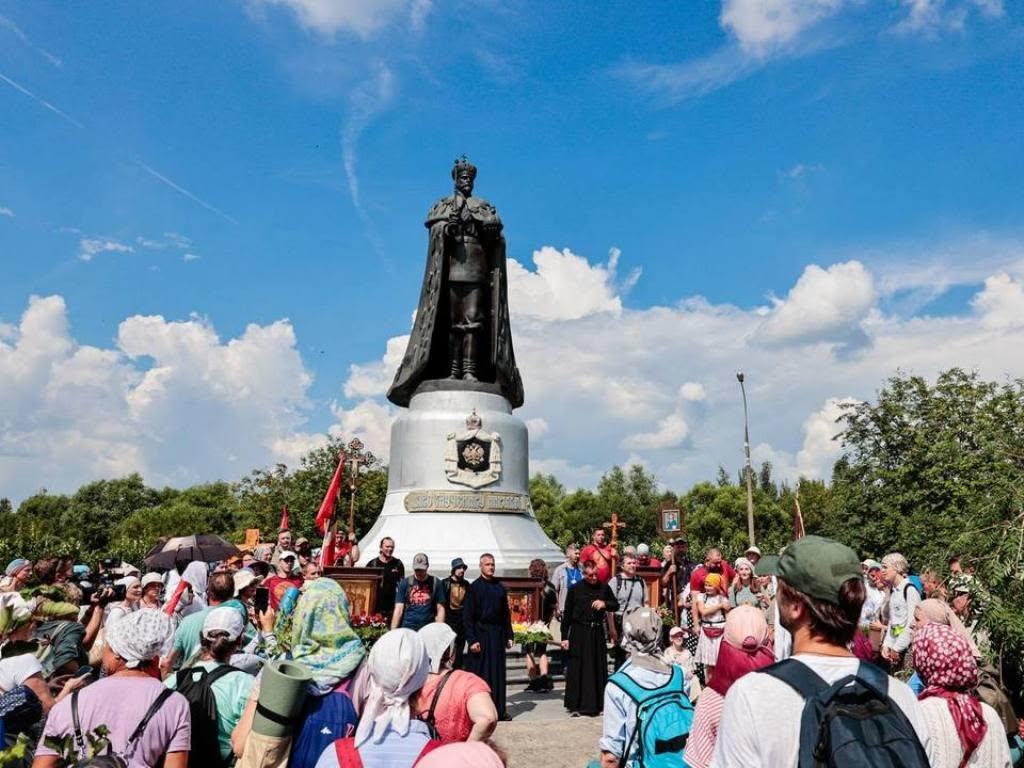
To mark this solemn anniversary, the Ekaterinburg Diocese prayerfully celebrates the memory of the Holy Royal Passion-Bearers. Orthodox Christians will fill churches today, offering prayers to the Tsar and his family Many Ekaterinburg residents will also honour the memory of the Holy Royal Passion-Bearers, by taking part in a Cross Procession along the so-called “Path of Sorrow”, which passes through the places associated with the final days of Russia’s last Tsar and his family in the Ural capital.

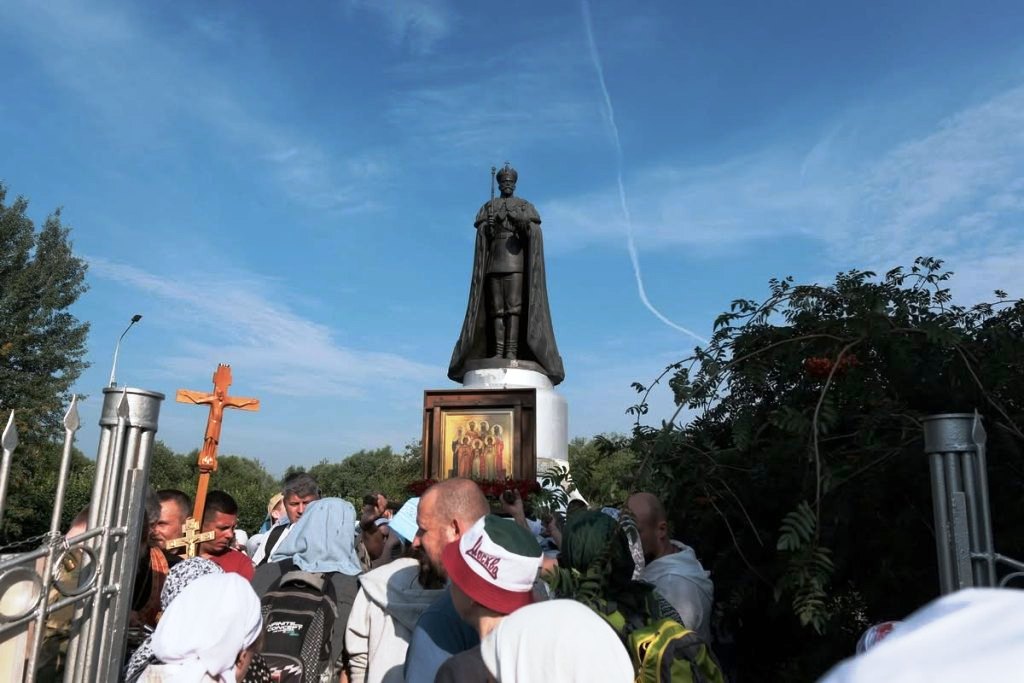
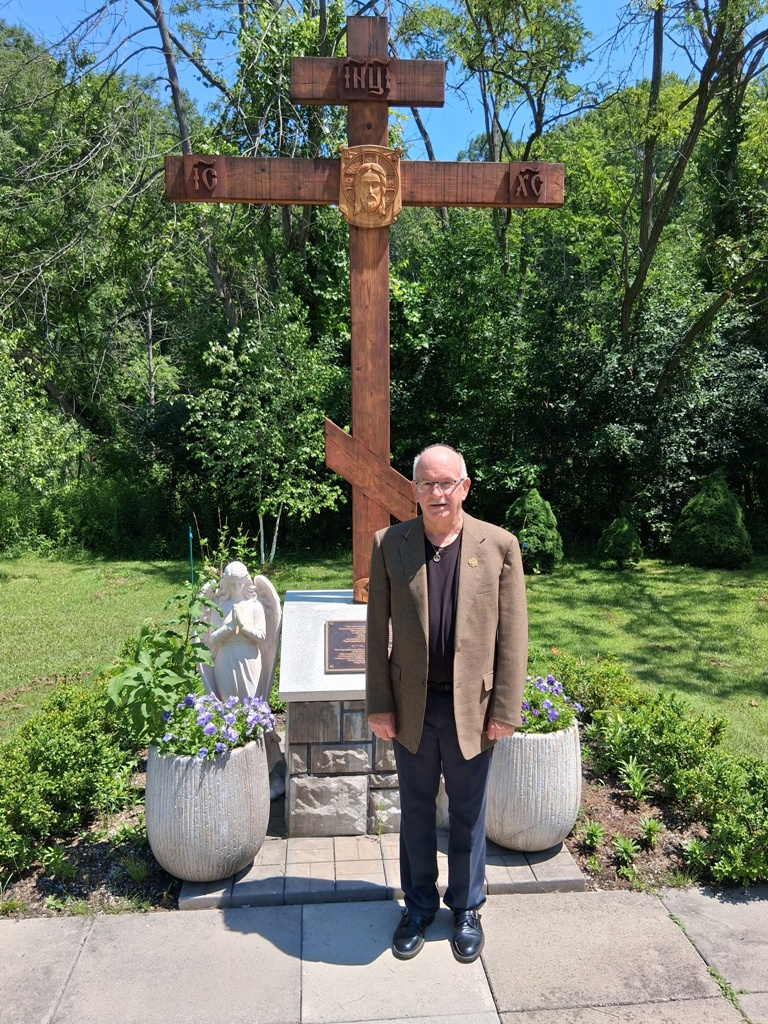
The Path of Sorrows begin with the place where Emperor Nicholas II, Empress Alexandra Feodorovna, Grand Duchess Maria Nikolaevna and their five faithful retainers disembarked from the train on 30th April 1918. Here, near the Shartash-Yekaterinburg-II Railway Station, a Memorial Cross and a foundation stone were installed. There are plans to build a church in honour of the Valaam Icon of the Mother of God on this site – one of the three miraculous icons that appeared during the reign of Nicholas II.

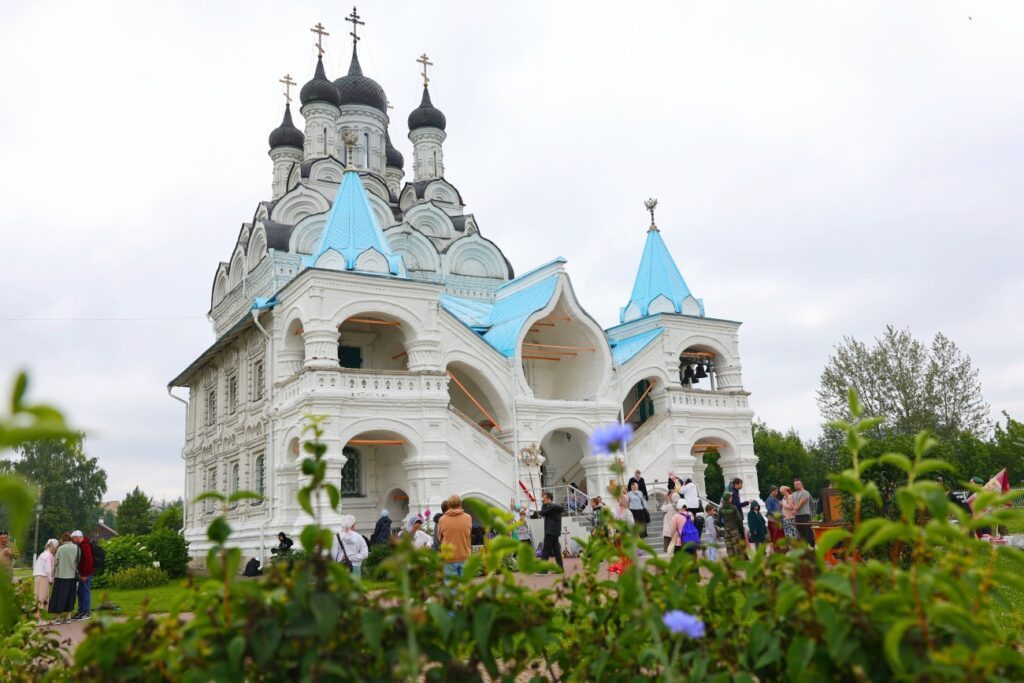
Then the Path of Sorrow follows Vostochnaya Street, where the Church of the Icon of the Mother of God “Port Arthur” was built at the intersection with Shevchenko Street. In 2008, during the Cross Procession, a memorial stone was laid at this place, and in 2017, the construction of the church was completed. Here, according to historical records, on 23rd May (new style), 1918, Tsesarevich Alexei Nikolaevich, abd the Grand Duchesses Olga, Tatiana and Anastasia Nikolaevna arrived by train. They too, were subsequently placed under arrest, and then taken to the Ipatiev House.

PHOTO: the Church on Blood in Honour of All Saints Resplendent in the Russian Land

Not far from the railway station, in Nevyansky Lane, there is an Orthodox church in honour of the Reigning Icon of the Mother of God. It was consecrated in 2011 by Metropolitan Kirill of Yekaterinburg and Verkhoturye. In 1918, the Yekaterinburg-I Railway Station was located here, where on 30th April (new style), 1918, the train carrying Nicholas II, his family members and their five retainers stood for several hours, before proceeding to the the Shartash-Yekaterinburg-II Railway Station, where they disembarked.

The last point of the Path of Sorrow is the Church on Blood in Honour of All Saints Resplendent in the Russian Land on Tsarskaya Street. It was here on this site, that Emperor Nicholas II, his family and four faithful retainers met their death and martyrdom. The church was erected on the site of the Ipatiev House, where the regicide took place on the night of 16/17 July 1918.

In the Lower Church sanctified in honour of the Holy Royal Passion-Bearers, there is the “Imperial Room” – a side-chapel of which the altar allegedly rests on the site of the murder room in the basement of the Ipatiev House. The decoration of the room received the blessing of the Metropolitan of Ekaterinburg and Verkhoturye Kirill. It was timed to coincide with the events marking the 100th anniversary of the death and martyrdom in July 2018, in which more than 100,000 attended.

© Paul Gilbert. 30 April 2026
***

The following NEW title was compiled and edited by independent researchers and Romanov historian Paul Gilbert was published in August 2024. 

This fascinating new study features 14 chapters on this tragic event, which include the memoirs of a British intelligence officer and journalist, and two First-English translations. In addition, 11 chapters were written by Paul Gilbert, based on new documents sourced from Russian archival and media sources over the past decade.

Please refer to the link provided for further details about the content of this new title . . .

CLICK HERE TO READ MORE ABOUT THIS TITLE

NEW BOOK – ‘The Romanovs. The Path of Holiness and Golgotha’

Large hard cover. 208 pages. Richly illustrated throughout. Russian edition only

The long-awaited edition of Романовы. Путь святости и Голгофы (The Romanovs. The Path of Holiness and Golgotha), has been published by the AST Publishing House. The Russian-language book is the result of many years of research by Dmitry and Ekaterina Ostroumov, dedicated to the Romanov dynasty and the spiritual path of the Holy Royal Martyrs Nicholas II and his family.

The publication is based on the exhibition dedicated to Russia’s last Tsar and his family, which opened in January 2025, in the Museum to the Royal Passion-Bearers. The permanent exhibition takes up the entire ground floor of  the Church of the Holy Royal Passion-Bearers in the Russian city of Dno, situated 114 km from Pskov.

The exposition project, which went from a temporary exhibition to a permanent memorial museum. It was here that on 14th (O.S. 1st) March 1917, the Imperial Train carrying the Tsar stopped. The following day, Nicholas II abdicated the throne. The event marked the beginning of his Way of the Cross.

Today, the museum preserves unique archival materials that reveal not only the historical, but also the spiritual aspects of the life of the last Russian Emperor and his family. The museum is a tribute of the deepest respect to their sacrificial feat. The scale of the project attracted the attention of the AST Publishing House, which proposed to transfer the exhibition concept to a book forma.

The large hard cover pictorial is based on authentic documents, diary entries, letters and rare photographs. The album recreates the history of the Romanov dynasty, covering the path from the calling of Mikhail Romanov in 1613 to the glorification of the Imperial Family as passion-bearers by the Moscow Patriarchate in 2000.

The main topic of the book, however, is the last Tsar and his family – from the upbringing of the heir Tsesarevich Nicholas Alexandrovich [future Emperor Nicholas II] to a martyr’s death in 1918. Particular importance is attached to the inner world of the Holy Royal Martyrs, their family way of life, their piety and sincere service to the Fatherland.

“Understanding the person of the Tsar in the Russian state today is important not only in its political and administrative significance, but also in its sacred function,” says Dmitry Ostroumov, co-author of the book. “This album, through immersion in the history of the Imperial Family, allows us to take a deeper look at this key role of the bearer of the Tsar’s life and reign.”

Through the fate of each family member, the reader comes closer to understanding the sacred depth of the monarch’s service, where earthly government and heavenly calling are inseparable, and a look into the past helps to see what often remains hidden behind the vanity of time.

The album Романовы. Путь святости и Голгофы (The Romanovs. The Path of Holiness and Golgotha) is currently available for purchase in Russian book shops, online stores, and the official website of the AST Publishing House.

***

PLEASE NOTE: This post is for information purposes only. This book is ONLY available in Russia, there is NO English edition available, nor is there one planned. I regret that I do not know any booksellers who offer this book.

The current sanctions imposed by the West on Russia forbid financial transactions, therefore it is not possible to order this title from a Russian bookseller online – they will not accept Western credit cards, nor can you use PayPal, Western Union, etc. Although there are numerous Russian bookshops in the West, please note that some countries such as the United States now impose a 40% tariff on books being imported from Russia.

It is very unlikely that we shall ever see an English edition of this book. Having said that, if and when the sanctions are lifted, and English-speaking tourists return to Russia in the numbers prior to 2022, the Russian publisher may just issue an English language edition of what looks like something many of us would like to add to our personal libraries – myself included!

© Paul Gilbert. 28 April 2026
Studio-apartment of former Court artist to Nicholas II sells for 80 million rubles

PHOTO: Ernst Karlovich Liphart in his St. Petersburg studio. Artist unknown.

On 20th March 2026, I reported that Ernst Liphart’s former apartment-studio in St. Petersburg would be sold at auction. The multi-level studio-apartment was listed at 110 million rubles [$1.3 million USD]. The auction was held at the Litfond Auction House in St. Petersburg, on 18th April 2026, and sold for 80 million rubles [$1,058,400 US dollars].

What made the sale of this property so interesting, was the history behind it. The studio-apartment was built and designed in 1906 by the the Russian architect Vasily Vasilyevich Schaub (1861-1934), for Ernst Karlovich Liphart (1847-1932) – the famous court artist of Emperor Nicholas II and the chief curator of the Hermitage.

Situated on the 6th floor of No. 16 Kamennoostrovsky Prospekt, the artists’ apartment-studio consisted of four levels with a total area of 150 sq. meters[1,614 sq. ft.].

PHOTOS: views of the Studio Hall of Liphart’s former
apartment-stidio, as it looked during the Soviet years

PHOTO: view of the Studio Hall of Liphart’s
former apartment-stidio, as it looks today

The original layout has been preserved in the studio, but the space looks completely different than under Liphart. Only a small number of elements remain from it’s original neoclassical style of the early 20th century, and many interior details are reminiscent of the modernism of the 1960s.

Despite the changes made during the Soviet years, the studio hall has retained the mezzanine and columns (seen in the photos above), but also the multi-meter windows, which offer a commanding view of the historic area. The windows of the apartment overlook Avstriyskaya Ploshchad (Austrian Square) and Kamennoostrovsky Prospekt, as well as the neighboring Gorbov apartment building, and the architectural dominants of the historic Petrograd district.

Other details of the apartment-studio which have been preserved include a belvedere, an oval study, a spiral staircase leads to the mezzanine and then to a small secluded tower where you can enjoy the silence while admiring the city from round windows.

PHOTO: view of one of the rooms in Liphart’s apartment-studio

PHOTO: view of the studio of Vladimir Sokolov during the Soviet years

The first owner of the studio-apartment, Ernest von Liphart, became famous not only for his portraits of the Tsar and members of the Imperial Family, but also for his scientific work. It was he who determined that the famous painting “Madonna with a Flower” belongs to the brush of Leonardo da Vinci, and helped the Hermitage Museum to buy it. After the 1917 Revolution, Liphart remained in Russia and continued to work in the museum.

In the second half of the 20th century, the Soviet artist Vladimir Sokolov (1923-1997) lived and worked in the same studio. He is known as the artist of “blockade” posters and postcards, as well as portraits of world leaders such as Che Guevara and Pablo Neruda. Today, the works of both famous owners of the apartment-studio on Kamennoostrovsky Prospekt are stored in the collections of Russian museums and libraries.

PHOTO: Liphart’s apartment-studio is located at No. 16 Kamennoostrovsky Prospekt

PHOTO: view of Avstriyskaya Ploshchad from the studio of Ernst Liphart

© Paul Gilbert. 27 April 2026

NEW BOOK – ‘Memories of Russia: My Travels in Post-Soviet Russia’ by Paul Gilbert

*You can order this title from most AMAZON outlets, including
the United States, United Kingdom, Ireland, Canada, Australia,
France, Germany, Spain, Italy, Netherlands, Belgium, Poland, Sweden,
Brazil, Mexico and Japan
*Note: prices are quoted in local currencies

CLICK HERE TO ORDER THE HARD COVER EDITION @ $25.00 USD

CLICK HERE TO ORDER THE PAPERBACK EDITION @ $20.00 USD

English. 9″ x 6″ format. Hard cover and paperback. 314 pages.

***

This year marks the 40th anniversary of my first visit to Russia. During the past four decades, I have visited Russia 29 times!

I travelled to Moscow, St. Petersburg – and the suburban towns of Tsarskoye Selo, Peterhof, Pavlovsk, Gatchina and Strelna – as well as Yalta and Crimea, Ekaterinburg and Alapaevsk.

In my new book, which is part travelogue, part history, I share my personal impressions and history of a dozen historic sites, that I have visited – some on numerous occasions. Out of the dozen historic sites covered in my book, all but two have a connection to Russia’s last tsar Nicholas II.

Join me as I revisit such places as the Grand Kremlin Palace, the Petrovsky Travelling Palace and the Russian State Archives – where I explore the Romanov archives in Moscow; learn the fate of Nicholas II’s private apartments in the Winter Palace and the State Hermitage Theatre – venue for the famous 1903 Costume Ball; travel with me to the Children’s Island and the Feodorovsky Sovereign Cathedral – Nicholas II’s favourite church at Tsarskoye Selo; the ruins of the Lower Dacha at Peterhof and much more!

On the cover photo above, I am standing in the magnificent St. Andrew’s Hall of the Grand Kremlin Palace in Moscow. The date is 27th October 2000 – the day in which I marked my 44th birthday. Of all the wonderful memories I have from the 29 journeys I made to Russia between 1986-2018, this is among one of the most memorable!

Richly llustrated with more than 200 black and white photographs!

Every one has one country in which they are drawn, for me it is Russia
– PAUL GILBERT (Retired)

© Paul Gilbert. 15 April 2026
Livadia Palace and Park to undergo large scale restoration

PHOTO: aerial view of the Livadia Palace and Park, Crimea

The Director of the Livadia Palace Museum Larysa Kovalchuk recently announced plans for a large-scale restoration of the Livadia Palace and Park.

“Today we have three main tasks: the renovation of the park, restoration of the palace and the redevelopment of existing exhibition space”, said the museum’s director.

“Each direction is a separate epic with its own challenges and discoveries. The renovation of the 37 hectare [91 acres] Livadia Park is a project which will involve at least five years of work. The situation with landslides is very difficult, and will require some serious engineering investments,” she added.

“In addition, more than 60 small architectural forms – gazebos, fountains, retaining walls – need to be restored. Sadly, some fountains are completely lost, but there are historic photos in our archives that will allow us to recreate them.”

Re-exposition will prove to be is the most challenging project. In 2025, an all-Russian competition for a new concept was announced. Fourteen firms from all over the country presented their projects, divided into two lots: the re-exposition of the existing historic interiors and the creation of a new museum site like New Chersonesos – situated near Sevastopol.

PHOTO: Director of the Livadia Palace Museum Larysa Kovalchuk,
standing in the Italian Courtyard of the Livadia Palace

“We are still more in favour of the museum remaining a memorial museum. After considering all the proposals, a competent panel of experts with the participation of the Minister of Culture of the Russian Federation and representatives of leading Russian museums came to a consensus: the Livadia Palace should remain a historic memorial museum,” Kovalchuk firmly declares.

Here are some statistics: the number of visitors’ to Livadia Palace increased from 260,000 in 2023 to 385,000 in 2025, with 49% who are interested in the Yalta Conference, and 51% are interested in the Romanovs in Livadia.

“These statistics are very interesting,” said the director – “they clearly indicated that both the Yalta Conference (February 1945) and the Romanovs in Crimea are what interest visitors to the Livadia Palace the most. Therefore, we will not change that, but let’s delve further into both,” she added.

The plan for the restoration of the interiors has been worked out in detail. The museum wants to recreate the original interiors of the palace so that future generations can see how the last Russian Tsar and his family lived, during their stays in Crimea from 1911 to 1914.

Recall that Nicholas II and his family visited Livadia in the autumn of 1911 and 1913 and in the spring of 1912 and 1914, where they took up residence for several months at a time.

PHOTO: Emperor Nichiolas II’s Study at Livadia Palace. as it looks today

The story of the return of furniture and other items to Livadia is interesting, one which reads like a detective novel.

After the 1917 Revolution, the Imperial residences were all nationalized, the furniture in the Livadia Palace was considered “of no use”, it was then “written off” and sold through commission stores. Livadia Palace officials believe that even today, some residents of Yalta may have pieces of furniture from the palace in their homes.

It is interesting to note, that the Maly [Small] Palace at Livadia survived until the Great Patriotic War (1941-45), it was looted and destroyed by the Nazis, following their retreat from Crimea.

The museum issued an appeal through the media offering to buyback items which belonged to Nicholas II and members of his family from the Livadia Palace. The call did not go unanswered . . .

A pair of vases were recently returnd to Livadia Palace. They had been in the possession of a Yalta family, who from generation to generation, the vases were passed down. As it turned out, the vases came from from Empress Alexandra’s Boudoir at Livadia. The museum staff began to look for confirmation of this and discovered a photo of the boudoir, where the vases are in their places. After 95 years, they have now been returned to their historic place.

Another exhibit a kitchen cabinet from the Small Dining Room marked “Grand Palace, Livadia”, has also been returned, discovered in a local warehouse.

The Livadia Palace is currently preparing an exhibit for the 130th anniversary of the Holy Coronation of Emperor Nicholas II, the 170th anniversary of the Coronation of Emperor Alexander II and the 115th anniversary of the completion of the construction of the palace.

FURTHER READING

Nicholas II’s study in Livadia Palace to be recreated + PHOTOS

Livadia Palace marks 100th anniversary as a museum + PHOTOS

Act of historical justice: restored bust of Nicholas II returned to Livadia + PHOTOS

FDR wanted to buy Livadia Palace in final days of WWII + PHOTOS

© Paul Gilbert. 14 April 2026
Nicholas II Vintage Newsreels No. 11 – 15

This is the third installment of a monthly feature to my Nicholas II. Emperor. Tsar. Saint. blog, which showcases the vast collection of vintage newsreels which are now available to watch on YouTube and other online media sources. I have taken the liberty of selecting another 5 interesting newsreels which depict Emperor Nicholas II and his family attending events in various cities throughout the Russian Empire.

Many of these newsreels include background music, with tunes of the Russian Empire or Orthodox music. Others are narrated in Russian, however, that should not deter the viewer from watching. You can turn on the English (or other language) subtitles by clicking on Google translate and then turn on the closed captioning [CC] button, found at the bottom of the newsreel. ENJOY!

No. 11 – Nicholas II visits the Iverskaya Chapel in Moscow, 1913

The Great Pilgrimage of Emperor Nicholas II to the beautiful and historic Iverskaya Chapel, situated at the Resurrection Gate which leads into Red Square in Moscow, on May 24-27, 1913. Grand Duchess Elizabeth Feodorovna can be seen at 3:08, she is dressed in a white nun’s habit. In this video you will hear a unique audio recording of Orthodox hymns for the Transfiguration of the Lord, performed by the Moscow Chudov Choir in 1908.

Duration: 3 minutes, 5 seconds with musical background

***

No. 12 – Nicholas II and his family in Sevastopol, Crimea. 1912

Emperor Nicholas II and his children meet Grand Duke Ernst-Ludwig of Hesse – the brother of Empress Alexandra Feodorovna – and his family at the railway station in Sevastopol, Crimea in the Spring of 1912.

Duration: 1 minute, 12 seconds with musical background

***

No. 13 – French President Raymond Poincare’s State Visit to Russia, 1912-1914

n this newsreel we see Emperor Nicholas II with President Raymond Poincare of France at Krasnoye Selo [near St. Petersburg], the summer military capital of the Russian Empire. We see Empress Alexandra Feodorovna and her daughters getting into some of the fine automobiles which the Emperor was so fond of.

This is followed by a parade of grand dukes and generals on horseback. Empress Alexandra Feodorovna is then seen riding in an open carriage with President Raymond Poincare, the Emperor on horseback riding along side.

Members of the Imperial Family join Poincare in a tent, positioned on a slight hill, where they can witness manoeuvres in honour of the French president’s state visit. Towards the end of the footage, the Empress is seen knodding as soldiers file past the tent and its guests.

Duration: 1 minute, 12 seconds with musical background

***

No. 14 – The Great Pilgrimage of Emperor Nicholas II, 1913

A one-hour newsreel which documents the highlights Nicholas II’s tour of Russian cities and towns during the celebrations marking the 300th anniversary of the Romanov dynasty in 1913. A must watch!

Duration: 1 hour, 1 minute, 50 seconds with English-language narration

***

No. 15 – Funeral procession of Grand Duke Konstantin Konstantinovich, 1915

This vintage newsreel shows the funeral procession of Grand Duke Konstantin Konstantinovich [Nicholas II’s first cousin once removed] to the Saints Peter and Paul Cathedral in St. Petersburg on 21st (O.S.) June 1915.

Emperor Nicholas II can be seen at 1:10 following behind the horse-drawn carriage which carries the coffin bearing the remains of the much loved grand duke.

Grand Duke Konstantin Konstantinovich was the last of the Romanovs to die before the 1917 Revolution and the last Romanov to be buried in the Grand Ducal Mausoleum, which is adjacent to the SS Peter and Paul Cathedral.

Duration: 2 minutes, 54 seconds with Russian-language narration

***

Previous Post Featuring MORE Vintage Newsreels of Nicholas II

Nos. 6 – 10

Nos. 1 – 5

© Paul Gilbert. 1 April 2026

Russian Geographical Society issues new edition of Nicholas II’s journey to the Far East

Earlier this week, a new Russian-language edition of a book dedicated to the 1890-91 Far East journey of the future Emperor Nicholas II, was published by the Russian Geographical Society. The three-volume set of books was presented to business circles, diplomats’ and journalists at the Russian House in Bangkok, Thailand.

The original three-volume “Journey to the East of His Imperial Highness the Sovereign Heir Tsesarevich Nicholas” was created by the orientalist and member of the Russian Geographical Society Prince Esper Esperovich Ukhtomsky (1861-1921), who accompanied Nicholas on his nine month journey.

PHOTO: Prince Esper Esperovich Ukhtomsky (1861-1921)

Recall that on 5th November (O.S. 23rd October) 1890, Tsesarevich and Grand Duke Nicholas Alexandrovich [future Emperor Nicholas II] embarked on a journey, which took him around the greater part of the Eurasian continent. The total length of the journey exceeded 51,000 kilometres, including 15,000 km of railway and 22,000 km of sea routes.

The map below depicts the Eastern journey of the future and last Tsar of Russia, which took him to Egypt, India, Ceylon (Sri Lanka), Singapore, Batavia (Jakarta, Dutch East Indies) Siam (Thailand), Saigon (French Indochina), Hong Kong, China, and Japan. It was during his visit to the Empire of Japan, that Nicholas was the target of a failed assassination attempt in Otsu.

On his return to Russia, Nicholas took part in opening ceremony of the Trans-Siberian Railway in Vladivostock. He then made his way across the Russian Empire, through Transbaikalia and Siberiam before arriving back in St. Petersburg on 17th August [O.S. 4th August] 1891.

During the nine month journey, Ukhtomsky kept a travel diary, recording daily the places and landmarks visited, meetings with kings, princes and government officials as well as historical and cultural research, including geographical and ethnographic observations. His vivid essays about the countries and peoples of the East at the end of the 19th century make a fascinating read.

The original Russian-languaged edition of the book was published in three volumes between 1893 and 1897 and brought the author all-Russian fame.

An English-language edition was also published in 1896. Volume One of Travels in the East Nicholas II Emperor of Russia when cesarewitch 1890-1891 is available to read online.

The republication of Nicholas II’s journey to the Far East is timed to coincide with the 135th anniversary of the visit of Tsesarevich Nikolai Alexandrovich to Siam in 1891,” – said Anastasia Timofeeva, Advisor to the Department of Expert, Analytical and International Activities of the Russian Geographical Society.

“The Tsesarevich’s’s journey became symbolic of the beginning of friendly relations between Russia and Thailand. It was during his visit to Siam, that the heir to the Russian throne was awarded the Most Illustrious Order of the Royal House of Chakri. In turn, the King of Siam Chulalongkorn (1853-1910) was presented with the Order of St. Andrew the Apostle First-Called. This helped to establish a trusting dialogue between the two countries. Today, the republication of this historic book, continues the joint historical and cultural heritage which helps to strengthen relations between the business and cultural circles of Russia and Thailand.,” she added.

There are plans to produce a Thai-lanaguage edition of the book, of which copies will be presented to both the National Library of Thailand and the Siam Society Under Royal Patronage.

PHOTOS: an exhibition dedicated to the history of the dynastic friendship between the Russian Imperial House and the Royal House of Chakri (the ruling dynasty in Thailand, was preparted for the presentation of the book

The republished book about the travels of Nicholas II to the East presents 700 illustrations that were handmade by the Russian military officer, painter and writer Nikolai Nikolaevich Karazin (1842-1908).

In addition, the book is illustrated with photographs of Vladimir Dmitrievich Mendeleev (1865-1898), the son of an outstanding Russian chemist.

In the book, you can find sketches and testimonies about Siam (Thailand), which allows a modern reader to see the country through the eyes of the expedition participants.

The updated edition of this publication is supplemented with name and geographical indications and a map of the journey. This makes the publication accessible to both researchers and a wide range of readers.

PHOTO: guests lead through the pages of the book Nicholas II’s journey to Far East

During the presentation, the organizers prepared an exhibition dedicated to the history of the dynastic friendship between the Russian Imperial House and the Royal House of Chakri (the ruling dynasty in Thailand, which has been in power since 1782).

The presentation was followed by a gala dinner, where the cuisines of Russia and Thailand met. The chefs of the two countries prepared an unusual menu. Guests were treated to borscht with coconut milk and shrimp, buckwheat porridge with tree mushrooms and other authentic dishes.

The organizers of the project were Rossotrudnichestvo and the Restaurant Group of Russia, founded by Alexei and Dmitry Vasilchuk. The event was held with the partner support of the Russian Embassy in Thailand. The cuisine of Thailand was represented by chef Phi Thip Pausila (Belle), and the Russian gastronomic school was represented by Alexander Railyan.

© Paul Gilbert. 28 March 2026

Ernst Liphart’s former studio in St. Petersburg to be auctioned

On 18th April 2026, the former apartment-studio of Ernst Karlovich Liphart (1847-1932) – the famous court artist of Emperor Nicholas II, will go under the hammer at the Litfond Auction House in St. Petersburg. Its price starts at 110 million rubles [$1.3 million USD].

Liphart’s heirs managed to preserve the historical layout of the apartment-studio, conceived more than 120 years ago by the painter and portraitist. Recall that during his years in the Russian capital, Liphart painted more than half a dozen portraits of Nicholas II (see below).

Located at 16 Kamennoostrovsky Prospekt, this great workshop is a real monument of architecture and art of the early 20th century. The area of the four-level apartment-studio is 150 square meters [1,614 sq. ft.].

PHOTO: Ernst Karlovich Liphart in hist St. Petersburg studio. 1914

PHOTO: a unique four-level studio-apartment that belonged to Ernst Liphart

The Art Nouveau building was built in 1906 by architect Vasily Schaub. A huge multi-meter window overlooking Austrian Square and Kamennoostrovsky Prospekt, a hall with columns, an oval office and a secluded tower with round windows – perspective buyers will not find such an apartment anywhere in St. Petersburg.

The history of the workshop on the upper floors of the apartment did not end with Liphart’s departure. Another artist, Vladimir Maksimovich Sokolov (1909-1991), lived and worked here. His works, dedicated to the theme of the struggle for peace and humanity, are now stored in the funds of the largest museums in Russia.

PHOTO: the former apartment-studio of Ernst Liphart is located
at 16 Kamennoostrovsky Prospekt in St. Petersburg

***

PHOTO: Baron Ernst Karlovich von Liphart. 1910

Baron Ernest Karlovich von Liphart (1847-1932) was a Russian painter and graphic artist who is known for his numerous portraits of E,peror Nicholas II, members of the Russian Imperial Family, and other famous Russian public figures.

He was born into a Livonian noble family on 2nd September (O.S. 21st August) 1847. His father, Baron Carl Eduard von Liphart (1808-1891), was an art connoisseur.

Initially Ernst  studied painting at the Florence Academy of Fine Arts and then in Paris. From his father, he inherited a deep knowledge in the field of art history. He studied the history of painting in museums in Germany, Spain, England and Italy. From 1877 he exhibited his paintings at the Paris Salon.

Having received an order from the Russian Emperor Alexander III for two paintings on the subject of reasonable and unreasonable wives, in 1886 he brought them to St. Petersburg and remained there until his death in 1932. In 1886-1896, Liphart taught decorative painting at the Drawing School of the Imperial Society for the Encouragement of the Arts.

PHOTOS: Ernst Liphart painted more than half a dozen portraits of Nicholas II.
Source: ‘Nicholas II. Portraits‘ – published in 2021

He was very popular as a decorator and portraitist. His paintings have been preserved in many St. Petersburg mansions and palaces: Marble Palace of Grand Duke Konstaintin Konstantinovich, three decorative panels for the palace of Grand Duke Alexei Alexandrovich at 122 Moika, in the Derviz Mansion, in the theater of the Yusupov Palace and others.

He was a member of the Society of Watercolorists from its very foundation. From 1886 to 1896 he served as a teacher of decorative painting at the drawing school of the Imperial Society for the Encouragement of the Arts. 

In 1895, during the renovation of the Hermitage Theater in the Winter Palace, Ernst Liphart developed a sketch according to which the curtain for this theater were made. n 1912 he compiled a catalogue of the collection of paintings, and from 1906 to 1929 he served as chief curator of the Hermitage Picture Gallery.

Baron Ernest Karlovich von 14th April 1932. Liphart died in Leningrad [St. Petersburg] on He was buried at the Smolensk Lutheran cemetery, the oldenst non-Orthodox cemetery in the city; the grave is not marked

© Paul Gilbert. 20 March 2026

Nicholas II: founder of the Russian submarine fleet

0303

PHOTO: the image of Emperor Nicholas II, the founder of the Russian
submarine fleet, depicted on on the Soviet submarine K-21

NOTE: this article was originally published on 19th March 2019, it has been revised and updated with additional facts and information on 19th March 2026 – PG

***

Russia marks the ‘Day of the Submariner’ on 19th March. The date was not chosen by chance – it was on this day in 1906 that Emperor Nicholas II issued a decree, on the classification of a new category of ships for the Russian Imperial Navy – submarines. .

In 2019, the Double-Headed Eagle Society honoured the memory of the founder of Russia’s first submarine fleet, by depicting his image on the Soviet submarine K-21. This honour would have the Bolsheviks and Soviets spinning in their graves!

Launched in 1939, the Soviet submarine K-21 was a K-class submarine of the Soviet Navy during World War II. In the spring of 1981, she was moved to the city of Polyarny, Murmansk Oblast to be converted into a museum ship. After renovations, she was eventually moved to Severomorsk, Russia. The museum was opened in 1983. In the late 1990s, the boat underwent some general repairs. From 2008 to 2009, the museum was further renovated.

Emperor Nicholas II receives the report of the commander of Russia’s first combat-capable submarine «Дельфин» [Delphin], Captain Mikhail Nikolaevich Beklemishev (1858-1936) at the Baltic Shipyard. St. Petersburg, 1903.

PHOTO: Emperor Nicholas II inspecting the submarine «Нарвал» [Narval]. The battleship «Император Александр III» Emperor Alexander III can be seen in the background. St. Petersburg, 1915

Many historians and writers continue to argue that Nicholas II was “not a progressive Tsar”, and yet his record of reforms speaks for itself. For instance, not only was Nicholas II a naval enthusiast, he played a significant role in the rebuilding and modernization of the Imperial Russian Navy before the First World War. In 1906 he ordered the establishment and development of the Russian submarine fleet.

The Imperial Russian Navy continued to expand during the reign of Nicholas II, regaining its position as the third largest fleet in the world after Britain and France.  It had a revival in the latter part of the century, but lost most of its Pacific Fleet along with the Baltic Fleet, both of which were sent to the Far East and subsequently destroyed in the disastrous Russo-Japanese of 1904. The second phase of Nicholas II’s military life was marked by his participation in the reorganization of the navy after the catastrophic Russo-Japanese War. 

Today, more than a century after his death, post-Soviet Russia recognizes the contribution of the last Russian Emperor to the development of the country’s underwater fleet.   

On 19th (O.S. 6th) March 1906, by decree of Emperor Nicholas II, the Maritime General Staff was organized with the Main Naval Staff, which assumed the functions of the operational body of the Imperial Navy. At first, attention was directed to the creation of mine-laying and a submarine fleet.  

Unfortunately, the name of the last emperor in this area of Russia’s military history is unjustly forgotten, thanks to Soviet dogma. From 1903 to 1917, Nicholas II ordered the construction of a total of 78 submarines – including the purchase of 11 foreign made submarines.

PHOTO: this icon painted in St. Petersburg, by order of modern day submariners of the Russian Federation is dedicated to the founder of the Russian submarine fleet, the Holy Sovereign Emperor Nicholas II.

FURTHER READING

The Imperial Russian Navy Under Nicholas II 1894-1917, which includes 2 videos + photographs

© Paul Gilbert. 19 March 2019 – UPDATED on 19 March 2026